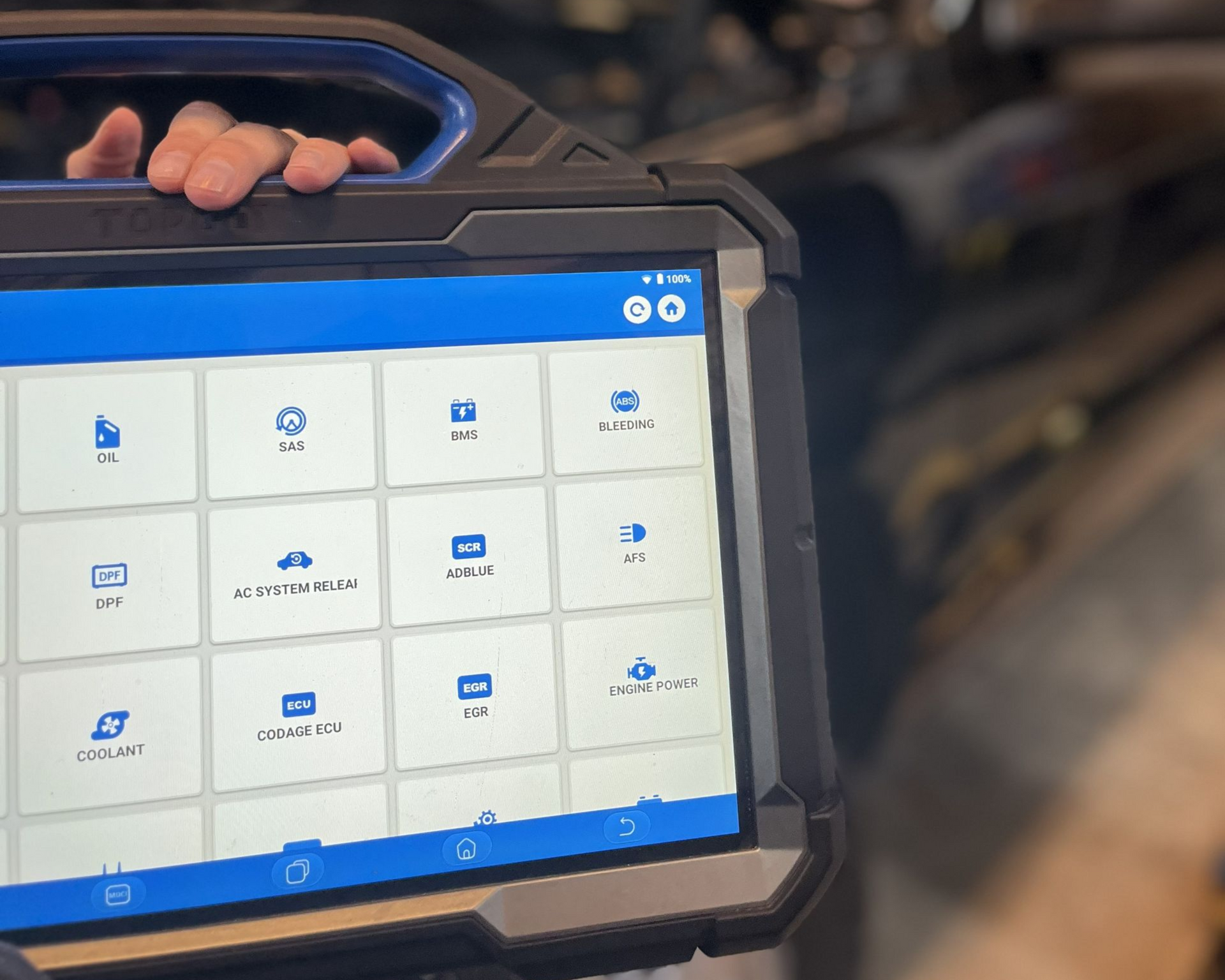
Why Does My Car Shake When I Brake? | Beachview Auto Service NC
Why Does My Car Shake When I Hit the Brakes?
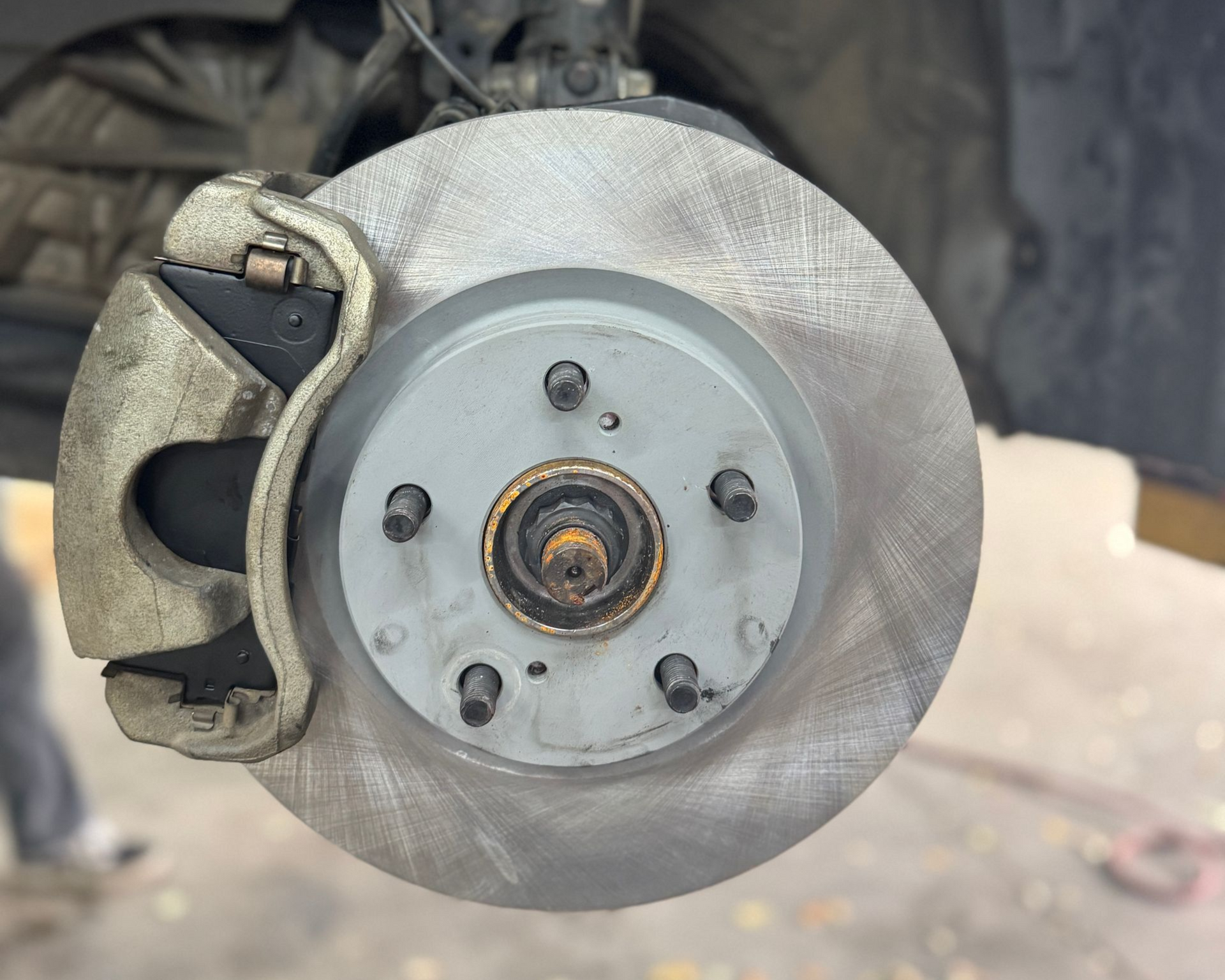
If your car shakes, vibrates, or shudders when you hit the brakes, there is usually a problem somewhere in the braking, steering, suspension, or wheel system that should be inspected.
One of the most common causes is an issue with the brake rotors, but that isn't the only possibility. Worn brake pads, sticking brake calipers, loose suspension components, wheel bearing problems, and other mechanical issues can also cause a vehicle to shake while braking.
At Beachview Auto Service, our technicians diagnose brake vibration and braking problems at our auto repair shops in Morehead City and Cedar Point, North Carolina. Here's what your vehicle may be trying to tell you.
Quick Answer: Why Does My Car Shake When I Brake?
A car that shakes when braking often has uneven brake rotor surfaces or excessive rotor runout that causes the brake pads to apply unevenly as the wheels rotate. However, worn brake components, sticking calipers, steering or suspension problems, wheel bearings, and other issues can cause similar symptoms.
The location and type of vibration can provide important clues.
For example:
- Steering wheel shakes when braking: The problem may be associated with the front brakes, steering, suspension, or wheel assemblies.
- Brake pedal pulses or vibrates: Brake rotor variation is one possible cause. ABS operation can also cause pedal pulsation during hard or slippery stops.
- Entire vehicle shakes when braking: The problem could involve the front or rear brakes, suspension, wheels, tires, or other components.
- Car shakes mostly when braking at highway speeds: Brake rotor or front-end problems become especially noticeable under higher-speed braking.
- Car pulls to one side while braking: A brake caliper, brake hose, pad, suspension, tire, or alignment-related problem could be involved.
The important thing is not to assume that every braking vibration means the vehicle simply needs new brake rotors.
Are Warped Brake Rotors Causing My Car to Shake?
Possibly, but the term "warped rotors" is often used to describe several different brake rotor conditions that can produce a similar sensation.
Your brake rotors rotate with the wheels. When you press the brake pedal, the brake calipers squeeze the brake pads against the rotors, creating friction and slowing the vehicle.
If the rotor does not present a consistent braking surface as it rotates, braking force can fluctuate. The driver may feel that fluctuation as a vibration through the steering wheel, brake pedal, seat, or entire vehicle.
Rotor-related brake vibration can be associated with conditions such as:
- Excessive rotor runout
- Uneven rotor thickness
- Uneven friction material deposits
- Heat-related brake damage
- Corrosion or rust
- Improper wheel or brake installation
- Worn or damaged brake components
This is why properly diagnosing brake vibration is better than automatically replacing parts based solely on the symptom.
Why Does My Steering Wheel Shake When I Brake?
A steering wheel that shakes when braking often points toward something happening at the front of the vehicle.
The front brakes perform a significant portion of the work required to stop most vehicles. If there is variation in the braking force at the front wheels, that vibration can be transferred through the steering and suspension and felt in the steering wheel. However, brake rotors aren't the only possibility. Worn or loose tie rods, ball joints, control arm bushings, wheel bearings, and other steering or suspension components can create or amplify vibration when the vehicle's weight shifts forward during braking.
That distinction matters because replacing brake pads and rotors will not correct a vibration caused by a worn suspension component.
Why Does My Brake Pedal Vibrate When I Stop?
A rhythmic pulsing in the brake pedal during normal stops usually means the brakes need inspection. Rotor thickness variation or runout can cause braking force to change as the rotor turns, creating a pulsating feel.
One important exception: ABS activation
During a hard stop or braking on a slippery surface (wet roads, ice, gravel), the anti-lock braking system (ABS) may engage. This is normal.
- ABS detects when a wheel is about to lock and rapidly adjusts brake pressure, typically 10 to 20 times per second.
- You feel this as a fast pulsation or vibration in the pedal, often with a buzzing or clicking sound.
- The system keeps the tires from fully locking so you can still steer.
How often does ABS activate?
On dry roads, many drivers go weeks or months without triggering it. It engages more often in wet or low-traction conditions.
Safety benefit
NHTSA research shows ABS can reduce multi-vehicle crashes on wet roads by about 14–24% and lower fatal pedestrian/bicyclist collisions by around 27%.
Key difference
- ABS pulsation: Rapid, only during hard or slippery stops.
- Rotor-related pulsation: Slower and rhythmic during ordinary braking.
If the pedal pulses during everyday stops, have the braking system inspected. During an ABS event, keep firm, steady pressure on the pedal and steer - do not pump the brakes.
Why Does My Car Shake Only When Braking at High Speeds?
Brake vibration can become much easier to notice when slowing from highway speeds. At higher speeds, the wheels and brake rotors are rotating faster. Small variations that aren't particularly noticeable around town can become much more pronounced when braking from 55, 65, or 70 mph.If your vehicle drives smoothly down the highway but begins shaking when you apply the brakes, the braking system and related front-end components should be checked.
If the vehicle shakes even when you aren't braking, the problem may instead involve tires, wheel balance, bent wheels, wheel bearings, suspension components, or another drivetrain or chassis issue.
That difference is useful when describing the problem to your technician:
Shakes all the time at highway speed: Look beyond just the brakes.
Drives smoothly until the brakes are applied: The braking system or components affected by braking forces become stronger suspects.
Can Worn Brake Pads Make a Car Shake?
Yes, they can.
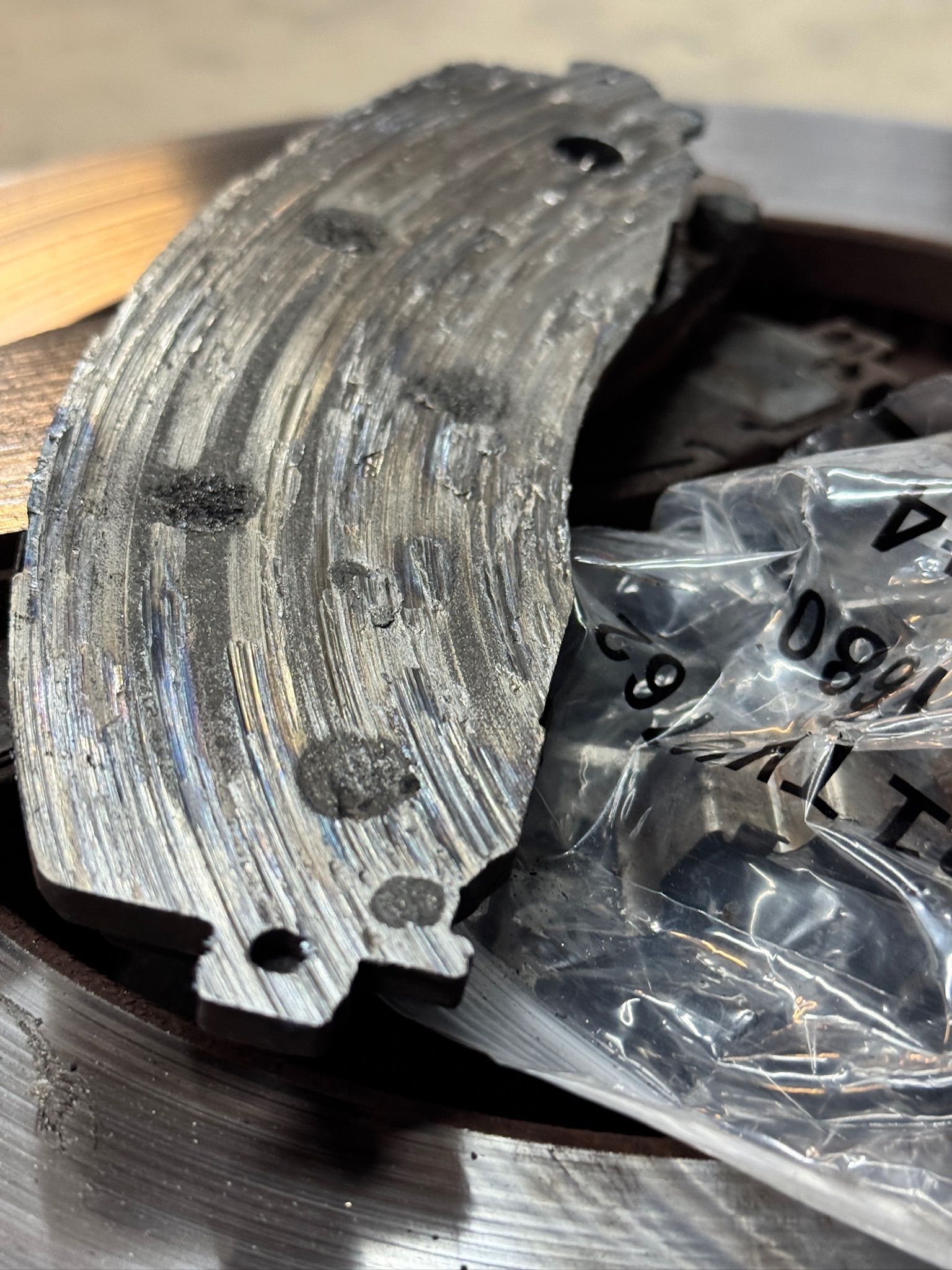
Brake pads are designed to contact the rotors evenly. Excessive or uneven pad wear, damaged friction material, contaminated components, improperly moving brake hardware, or other brake system problems can contribute to vibration.
Extremely worn brake pads can also damage other braking components and reduce braking performance.
If your car is shaking while braking and you also hear squealing, scraping, or grinding, have the brakes inspected as soon as possible.
Can a Sticking Brake Caliper Cause Shaking?
Yes.
Brake calipers need to apply and release correctly. A caliper, piston, slide, or related component that isn't operating properly can create uneven braking force and excessive heat.
Possible symptoms can include:
- Vehicle pulling while braking
- Uneven brake pad wear
- Excessive brake dust on one wheel
- A burning smell
- One wheel becoming unusually hot
- Reduced fuel economy
- Brake vibration or shaking
- Vehicle feeling as though the brakes are dragging
A sticking brake should be diagnosed promptly because excessive heat can damage additional components.
Can Suspension Problems Cause Shaking When Braking?
Absolutely.
Braking transfers the vehicle's weight toward the front wheels and places additional loads on steering and suspension components. A component that seems relatively stable while cruising can move considerably more when subjected to braking forces.
Potential causes include worn or loose:
- Control arm bushings
- Ball joints
- Tie rod ends
- Steering components
- Wheel bearings
- Struts or shocks
- Other suspension components
This is one reason a thorough brake vibration diagnosis should involve more than simply looking at the brake pads.
Could My Tires or Wheels Cause the Shaking?
Yes, particularly if the vibration also occurs when you aren't braking.
Problems involving tire wear, tire damage, wheel balance, bent wheels, loose wheel fasteners, alignment, or wheel bearings can sometimes create vibrations that become more noticeable during braking.
A technician should determine whether the vibration is actually being generated by the brakes or whether braking is simply making an existing wheel, tire, steering, or suspension problem more noticeable.
Why Did My Car Start Shaking After a Brake Job?
If a vehicle develops a new vibration shortly after brake work, it deserves another inspection.
Possible causes can include improper installation, contamination between mounting surfaces, wheel fastener issues, rotor runout, brake hardware problems, or another pre-existing problem that became noticeable around the same time.
It doesn't automatically mean the new brake parts are defective. The correct approach is to inspect and measure the system rather than replacing parts based on an assumption.
Is It Safe to Drive a Car That Shakes When Braking?
Brake vibration should not be ignored, particularly when it is severe or getting worse.
A mild vibration does not necessarily mean the brakes are about to fail, but the driver cannot know the underlying cause without an inspection.
Seek professional service promptly if the vibration is accompanied by:
- Grinding or metal-on-metal noises
- Reduced braking ability
- Vehicle pulling strongly to one side
- Soft or sinking brake pedal
- Brake or ABS warning lights
- Burning odors
- Severe steering wheel movement
- Unusual noises from a wheel
- Significant vibration that is rapidly getting worse
Your brakes are one of your vehicle's most important safety systems. Diagnosing the cause early can also help prevent a relatively small problem from damaging additional components.
How Do You Fix a Car That Shakes When Braking?
There isn't one repair that fixes every brake vibration: the correct repair depends on what is actually causing the shaking.
Depending on the diagnosis, repairs could involve brake pads, brake rotors, calipers, brake hardware, wheel bearings, steering components, suspension components, tires, wheels, or a combination of issues.
That's why Beachview Auto Service recommends diagnosing the cause before replacing parts.
A proper inspection can evaluate the condition of the braking system along with related steering, suspension, wheel, and tire components when necessary.
Brake Repair in Morehead City and Cedar Point, NC
If you're searching for "brake repair near me" because your car shakes when braking, Beachview Auto Service has two convenient locations serving drivers throughout the Crystal Coast.
Our Morehead City auto repair shop serves drivers from Morehead City, Atlantic Beach, Beaufort, Newport, Pine Knoll Shores, Salter Path, Havelock, and surrounding Carteret County communities. Our Morehead City Beachview Auto Service location is on Arendell Street and shares a parking lot with Harbor Freight, and is directly across the street from Chipotle.
Our Cedar Point auto repair shop is convenient for drivers from Cedar Point, Cape Carteret, Emerald Isle, Swansboro, Bogue, Peletier, Hubert, and the surrounding areas. Our Cedar Point Beachview Auto Service location is on Cedar Point Boulevard and is right next to the Dunkin Donuts and the Windstar Hotel.
Beachview Auto Service provides brake inspections, brake pad replacement, brake rotor replacement, ABS diagnostics, steering and suspension diagnostics, tire service, wheel alignments, and complete automotive repair for cars, SUVs, trucks, and fleet vehicles.
Instead of guessing why your vehicle shakes when you stop, let our team identify what's actually causing it.
Frequently Asked Questions About Cars Shaking When Braking
What is the most common reason a car shakes when braking?
Brake rotor surface variation or excessive runout is a common cause of brake vibration, but it isn't the only cause. Brake pads, calipers, steering components, suspension parts, wheel bearings, wheels, and tires can produce similar symptoms.
Why does my steering wheel shake when I brake from 60 or 70 mph?
Higher-speed braking can make brake rotor and front-end vibration much more noticeable. Front brake, steering, suspension, wheel, and bearing components should be inspected to determine the actual cause.
Why does my car shake when braking downhill?
Long downhill braking can generate considerable heat. Existing brake rotor or braking-system problems may become more noticeable as brake temperatures increase. Using an appropriate lower gear on long grades can also reduce continuous brake use when recommended for the vehicle and conditions.
Why does my car shake when braking but not while driving?
When the vehicle is smooth until the brakes are applied, the braking system becomes a strong suspect. However, worn steering, suspension, or wheel components can also move differently when braking loads are applied.
Why does my car shake when braking and make a grinding noise?
Grinding combined with brake vibration can indicate significant brake wear or another mechanical problem. The vehicle should be inspected promptly rather than continuing to drive until the problem becomes worse.
Does a shaking steering wheel always mean I need new rotors?
No. Rotor problems are common, but steering, suspension, wheel bearing, tire, wheel, and other brake component problems can produce similar symptoms. Diagnosis should come before parts replacement.
Can bad wheel bearings cause shaking when braking?
Yes. A worn or loose wheel bearing can allow unwanted wheel movement and may create vibration or make an existing vibration more noticeable during braking.
Can an alignment cause my car to shake when braking?
Alignment itself isn't the only possibility. Alignment problems and worn steering or suspension components can contribute to poor handling, uneven tire wear, pulling, and vibrations. A complete inspection can determine whether the brakes or chassis are responsible.
How much does it cost to fix a car that shakes when braking?
The cost depends entirely on the cause. A vehicle needing brake pads and rotors requires a different repair than one with a sticking caliper, worn wheel bearing, or damaged suspension component. An inspection is the best way to determine what the vehicle actually needs before estimating the repair.
Don't Ignore a Car That Shakes When You Hit the Brakes
If your steering wheel shakes, brake pedal pulses, or entire vehicle vibrates when braking, something is telling you it needs attention.
Sometimes the cause is relatively straightforward. Other times, what feels like a brake problem is actually coming from the steering, suspension, wheel, or tire system.
The safest and most cost-effective approach is to diagnose the cause instead of guessing and replacing parts.
Beachview Auto Service provides professional brake repair and brake diagnostics in Morehead City and Cedar Point, NC, serving drivers throughout Carteret County, the Crystal Coast, and surrounding communities.
Schedule a brake inspection with Beachview Auto Service and let our team determine why your car shakes when you hit the brakes.